Days 7-9 Erasmus+ Malta
1 april 2026
Saturday March 28, 2026
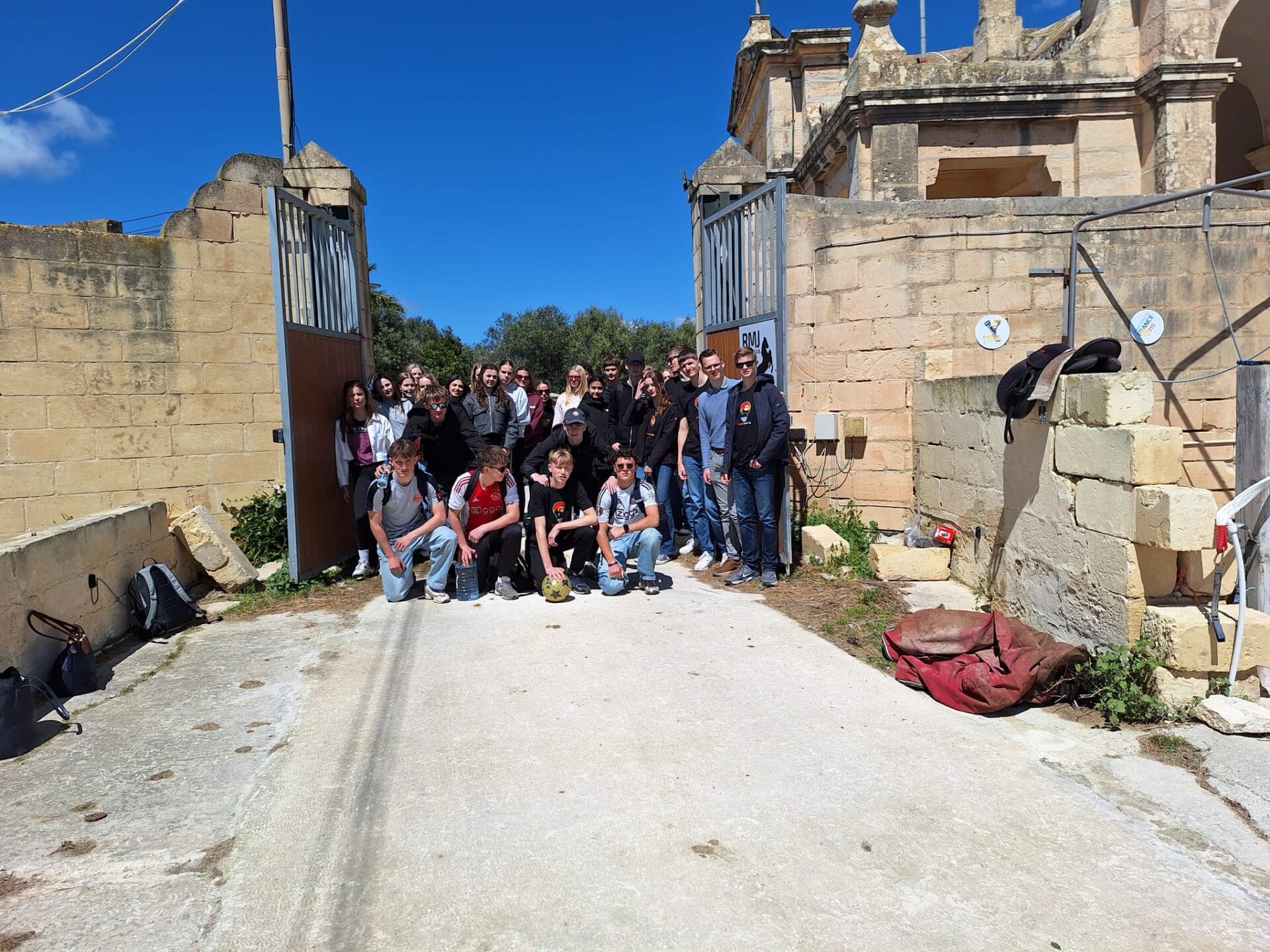
Voluntary work is deeply engrained in Maltese society as it not only strengthens the community but also offers a strong support base to individuals. Today, our students were required to roll up their sleeves and volunteer at the Horse Rescue Centre RJW at Siggiewi. The majority of the horses kept there are ex-racehorses. After their career is over, they often face slaughter if no alternative home is found. RMJ Horse Rescue was started by one person on a mission to provide a sanctuary for neglected or discarded horses. It has been turned into a success story with the help of volunteers and the general public. Students realised that animal welfare is not always self-evident and that one person’s vision can inspire change.
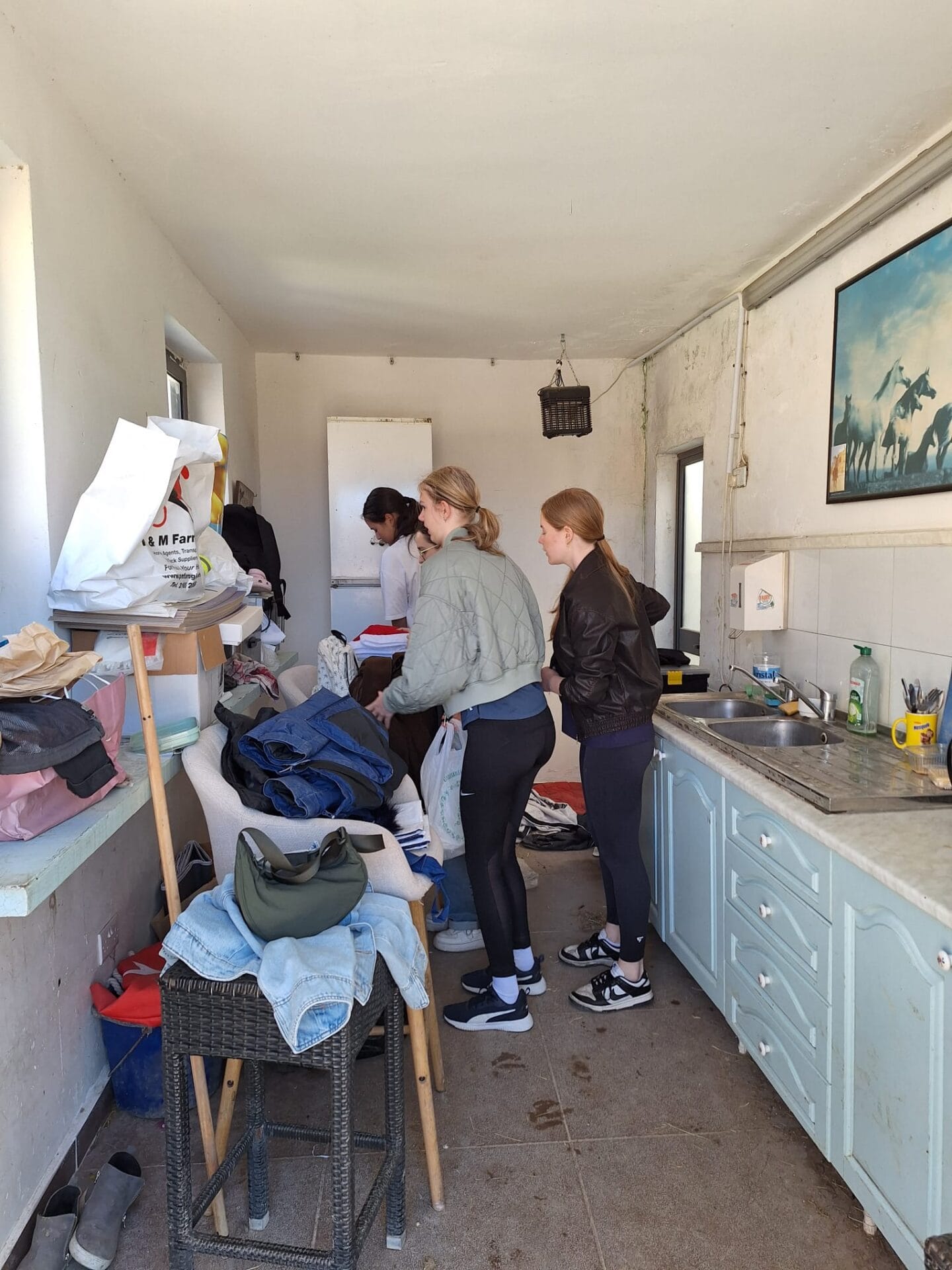
The students eagerly applied themselves to many odd jobs, such as mucking out stables, cleaning the kitchen area, rebuilding walls of horse compounds and organising various Easter activities for local children and their parents. Both horses and students were extremely happy with this arrangement.
After all the hard work, we were served a nice pasta lunch at a local restaurant. The rest of the afternoon the students enjoyed some well-deserved time off.
Sunday March 29, 2026
Today, we visited Marsaxlokk Market, which spans the entire waterfront and offers a wide variety of fish and local produce. Some of the Luzzu, the traditional fishing boats that bring in the fresh catches from the local waters, could be admired up close and the harbour offered a colourful spectacle of smaller and larger fishing boats. Students mingled with the locals and explored the delicacies the Maltese islands have to offer.
The lovely ladies in our venue’s kitchen had prepared a savoury pasta salad on our return. Afterwards students enjoyed the rest of the Sunday in their own way.
Monday March 30, 2026
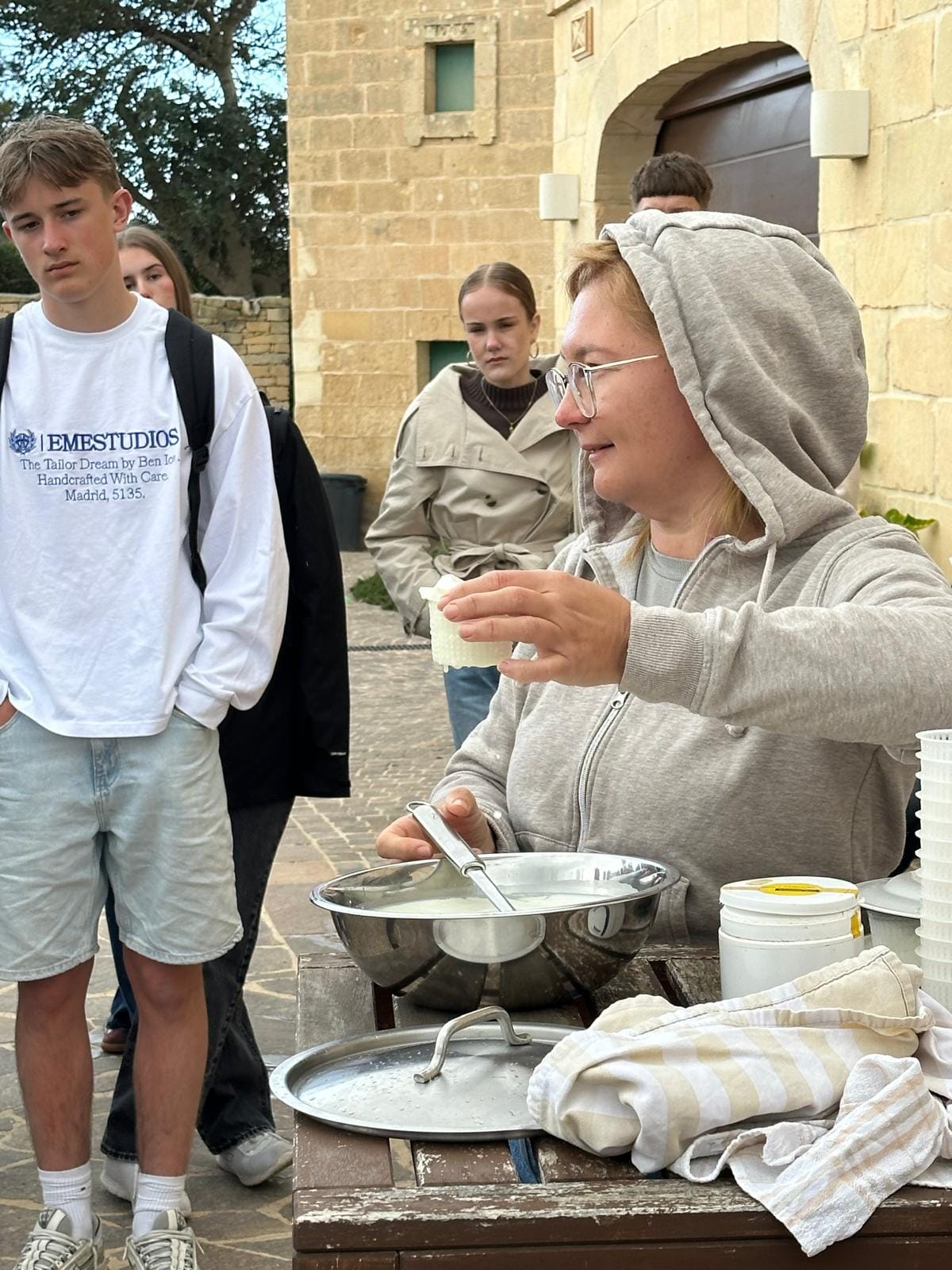
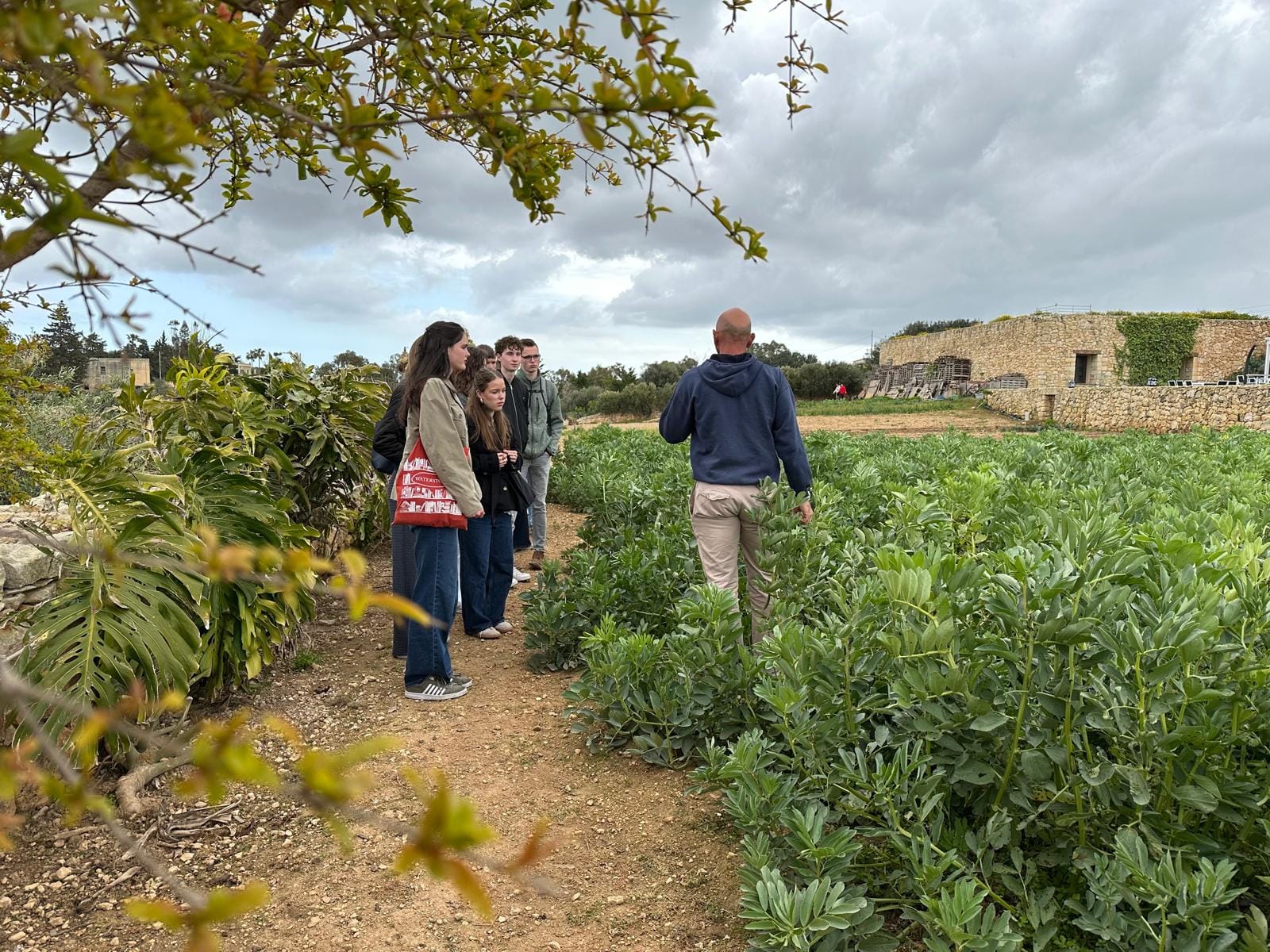
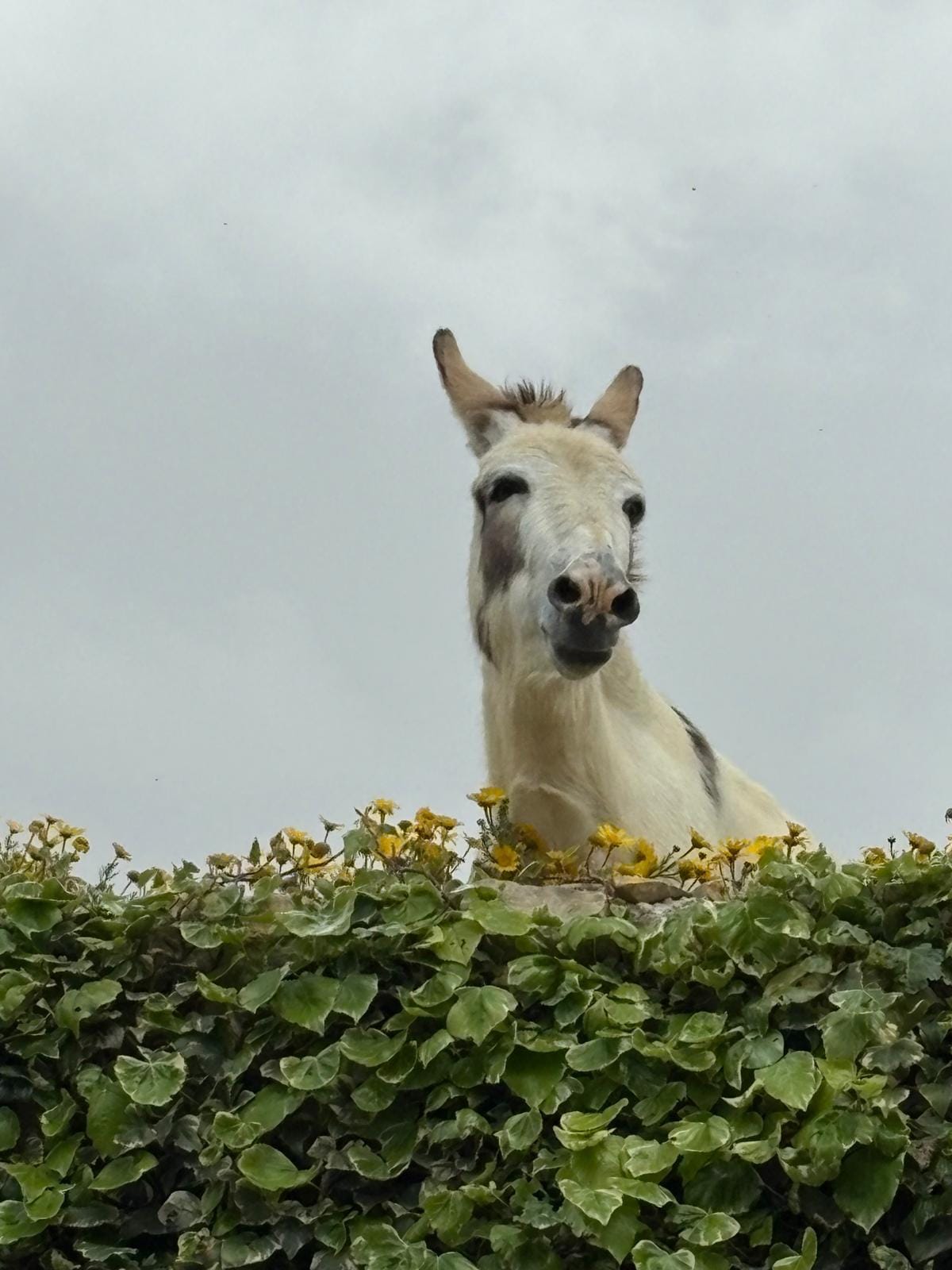
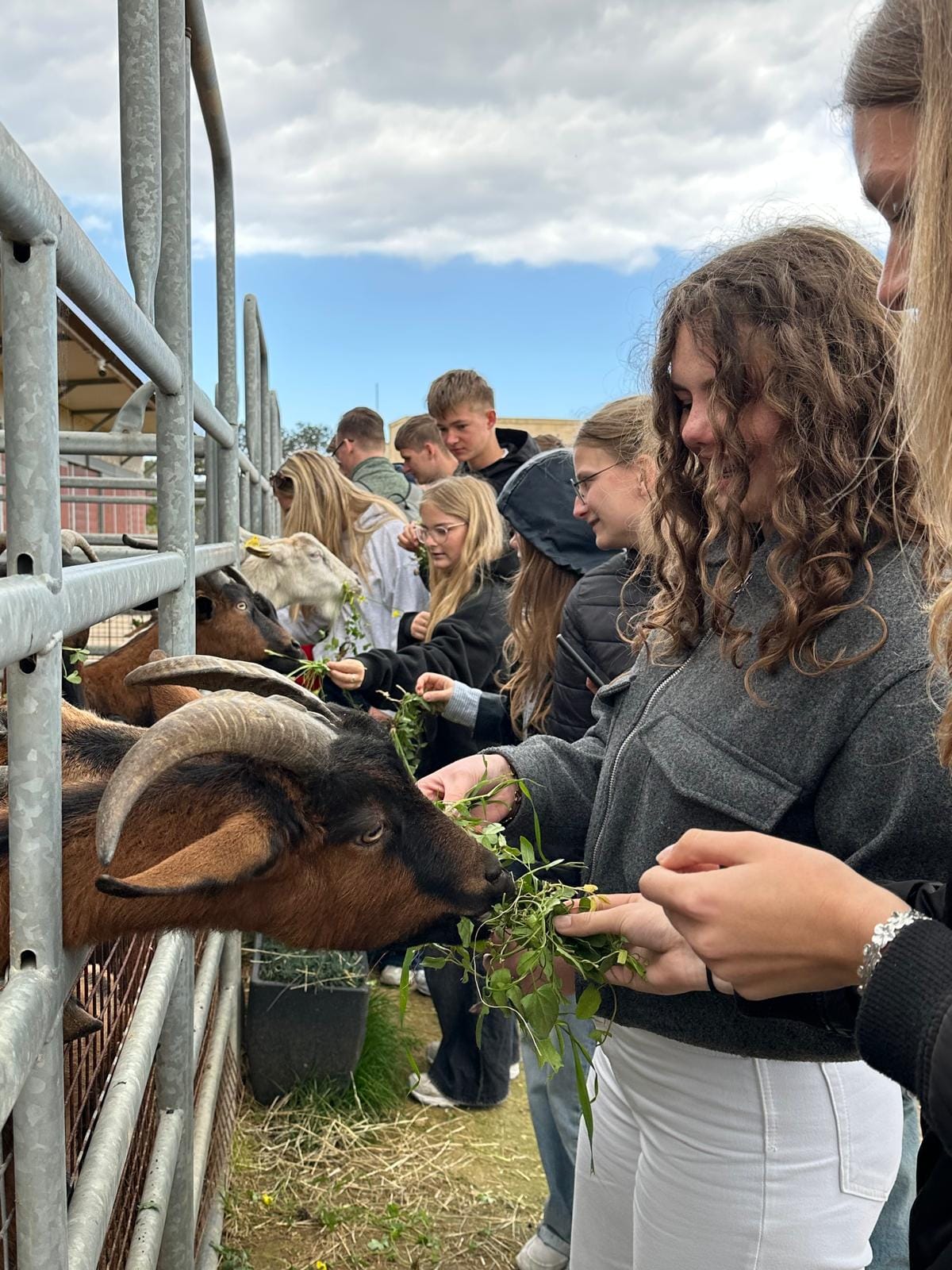
The concept for the self-sustaining farm that we visited today was derived from the award-winning documentary The Biggest Little Farm. The lockdown of Covid 19 enabled this Maltese family to buy a plot of land and build their own version of BLF. The couple wanted to start a farm with its own self-perpetuating ecosystem that would provide their family with fresh vegetables, fruit, eggs and goat milk all year round, a system in which nothing would go to waste. We were shown how to make Ġbejna, a traditional goat cheeselet that dates back to 1429 and were given a tour of the premises. We were told that the secret to success is diversification: relying on a variety of crops rather than on mono-culture. The poultry yard was idyllic: chickens, ducks, geese, turkeys and peacocks could all run around freely, thus producing a variety of truly free range eggs. However, the star of the show was Hector, the curious donkey.
Afterwards, the skilled drivers of the mini vans piloted us to the Silent City, the ancient walled city of Mdina. Here the students were given time to work on their photo assignments and explore Mdina’s medieval and baroque architecture. For most students, this also offered them the opportunity to further their research and develop their analytical skills.