Erasmus+ HEROES Project – Day 2 in Quimper

10 maart 2026
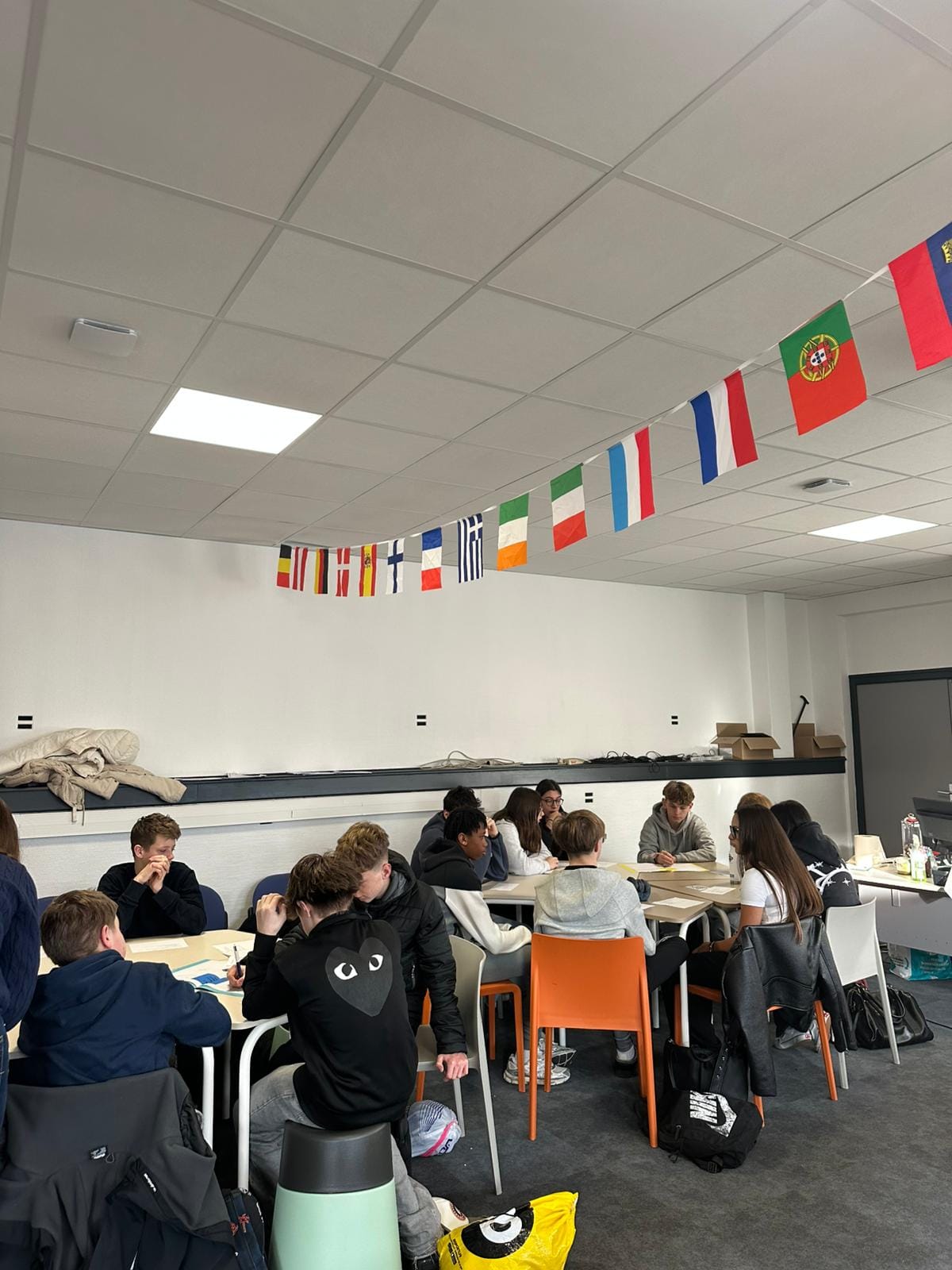
Our second day in Quimper saw our A3 TTO pupils diving deeper into their international collaboration as part of the Erasmus+ HEROES project. The morning began with focused group work, as pupils from the Netherlands, France and Spain continued preparing for Thursday’s final project, the COP (Conference of Parties) simulation. This phase of the project calls upon their critical‑thinking skills, intercultural communication and TTO values of inquiry and global citizenship.
After the morning session, the entire group split into three thematic activities connected to the Sustainable Development Goals: Surfrider (Oceans), Water and Rivers, and Trees in Town. These sessions were linked to SDG 3 for the power of enjoying our outdoor spaces (Good Health & Well-being) but more importantly SDG13 Climate Action.
Water and rivers
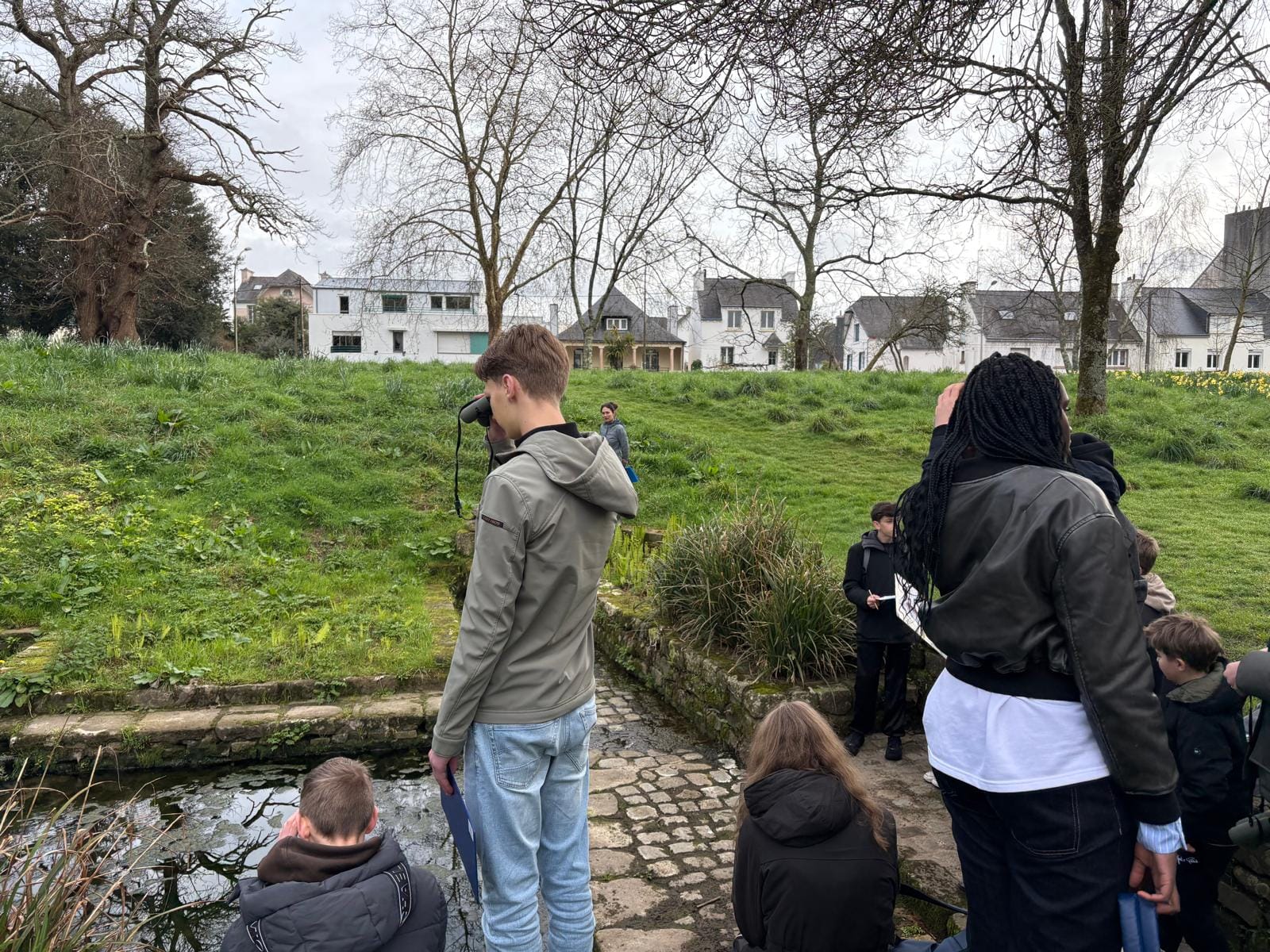
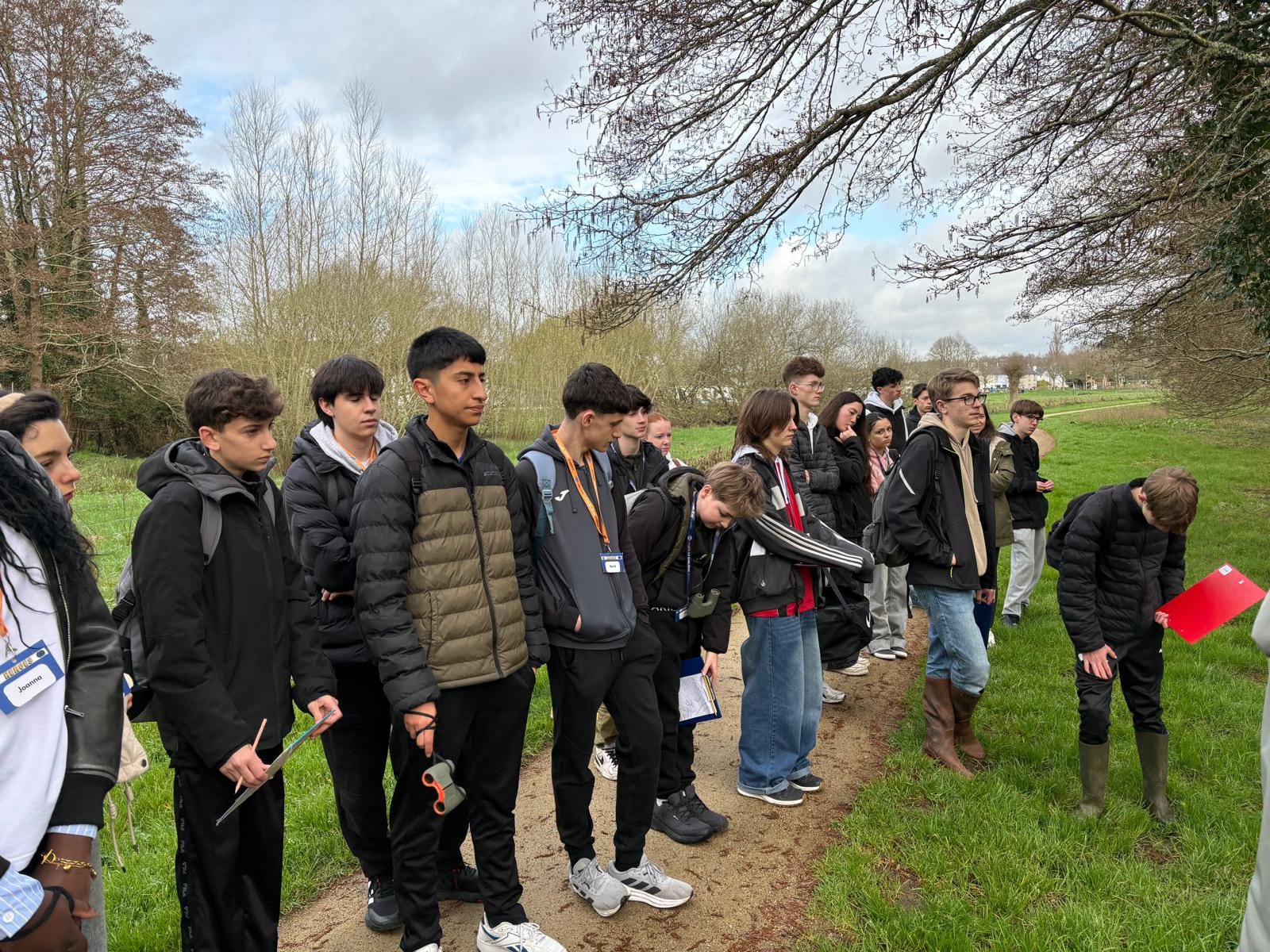
The pupils following the Water and Rivers programme began with a peaceful sketching session. From a footbridge above the Odet River, whose meandering path shapes much of Quimper’s landscape, they drew the bends, curves and movement of the flowing water. The calm concentration was palpable.
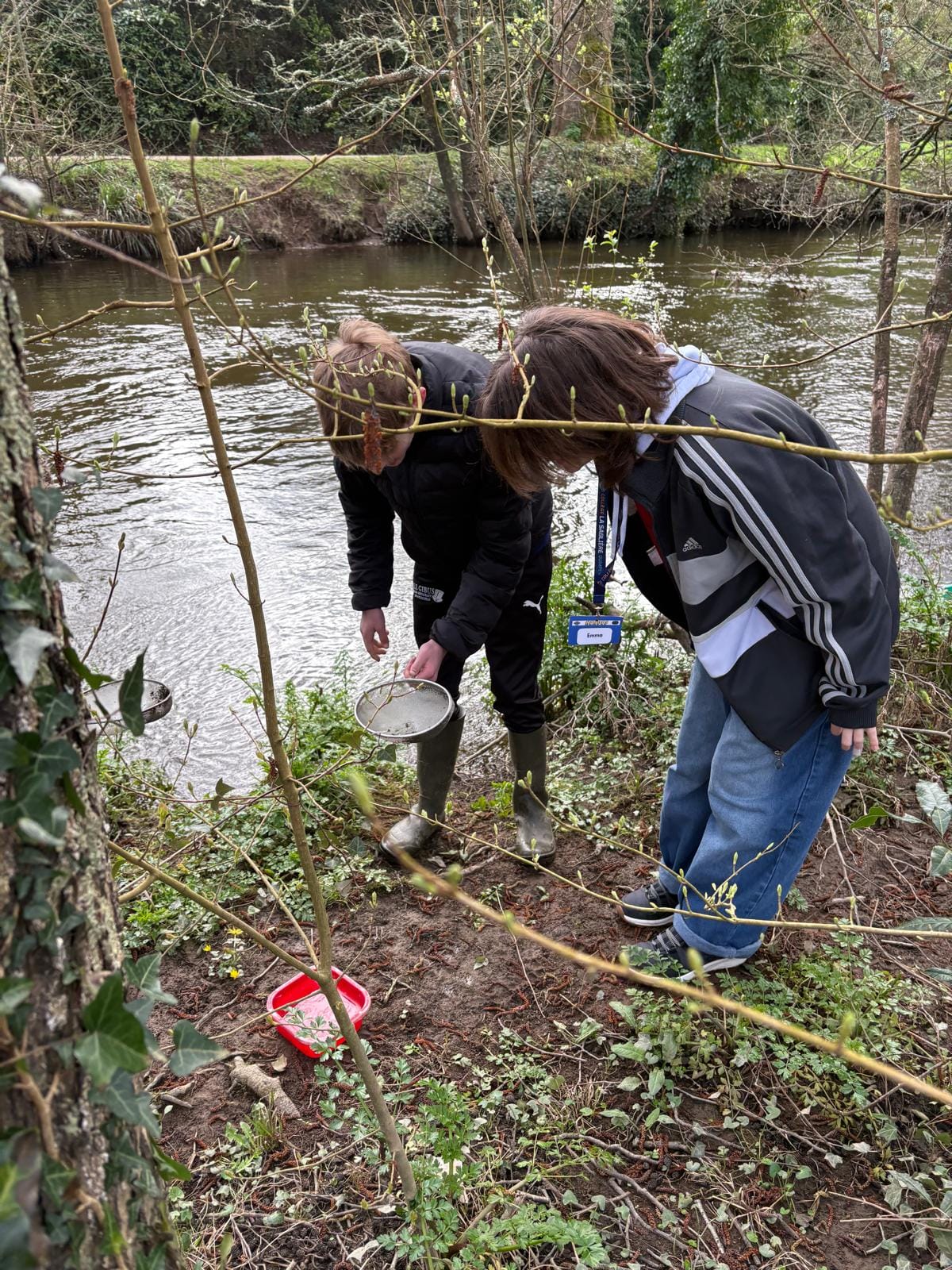
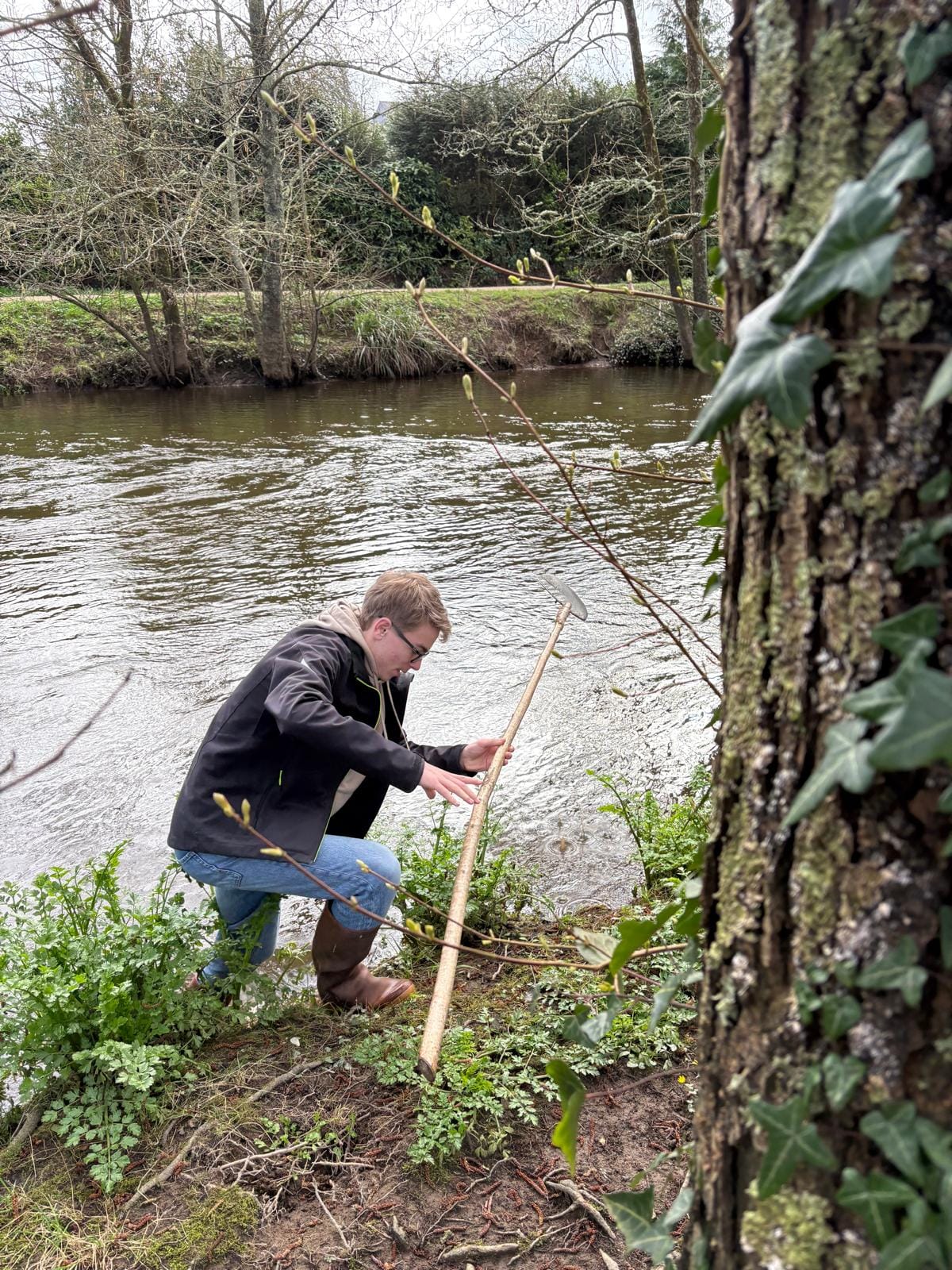
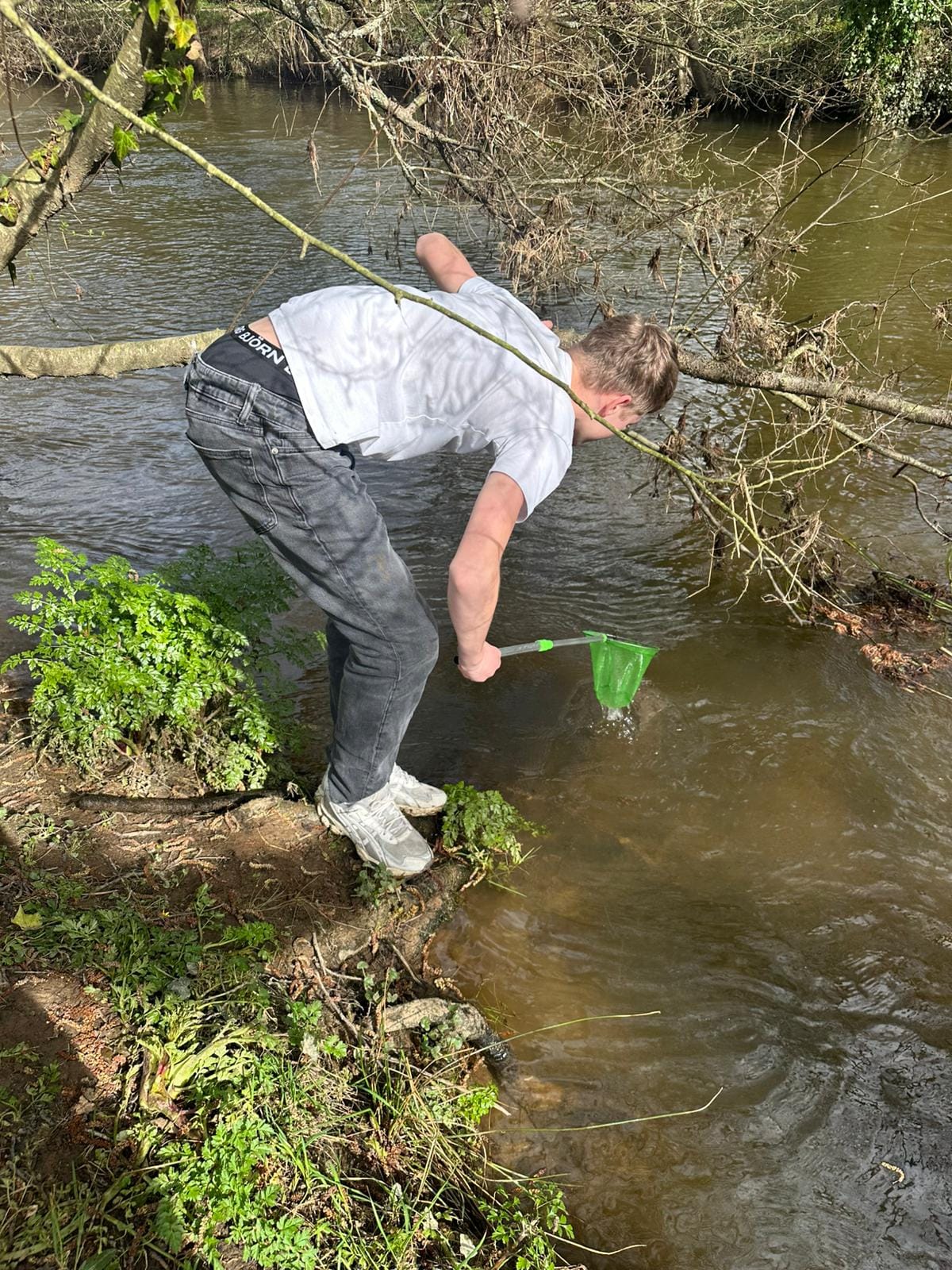
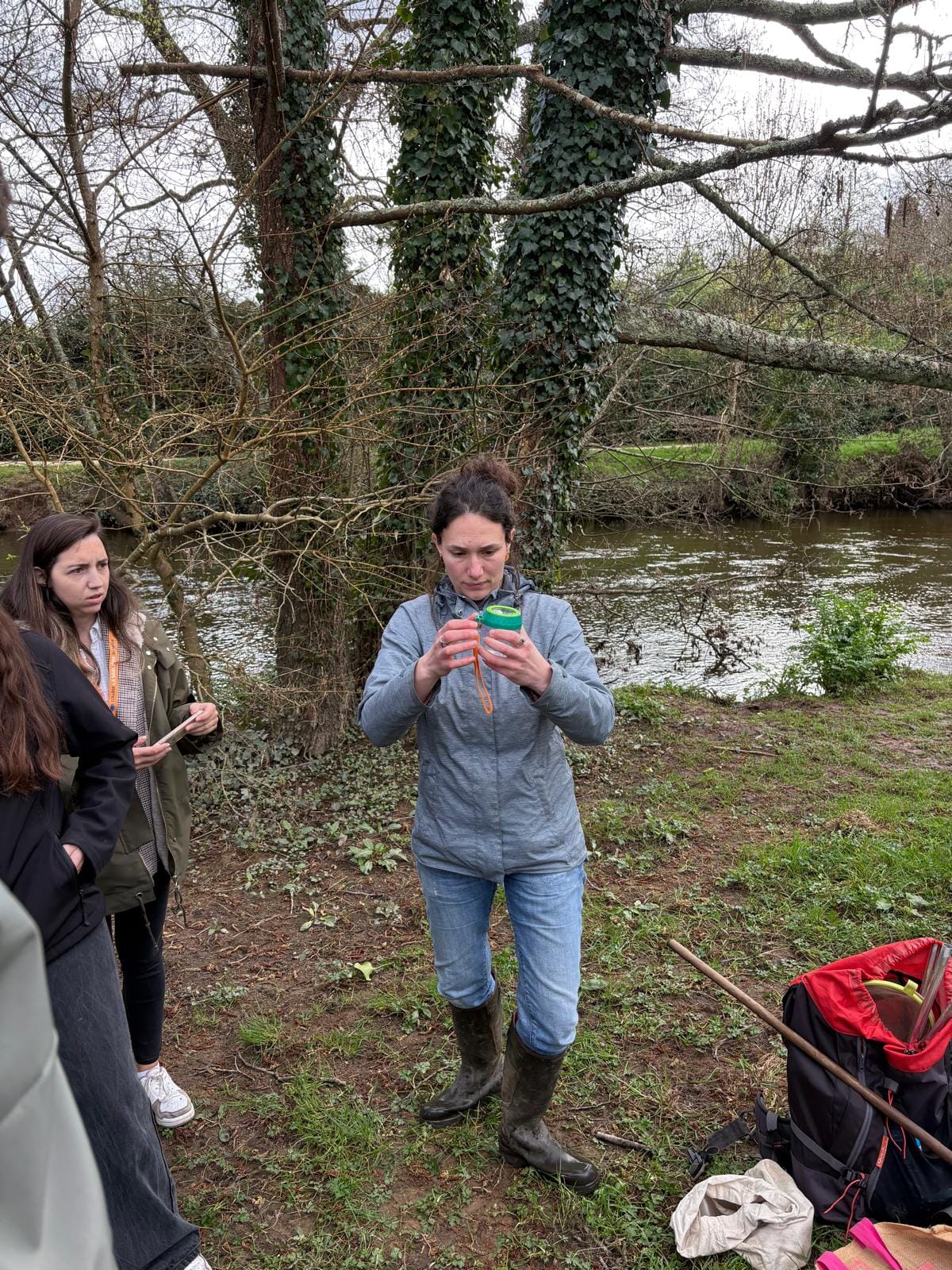
Their walk continued along the riverbanks to the old Breton washing site, once an essential part of local life. Later, the pupils examined the river’s water quality firsthand by gathering a small sample of riverbed material and studying the river life it contained—an eye‑opening look into local biodiversity and the general good health of the river.
Trees in town
Another group explored the green heart of Quimper. They studied the trees planted in and around the city, identifying species, discussing their ecological importance, and imagining what a climate‑resilient urban forest might look like decades from now. With Erasmus+ values at the core, the activity encouraged both environmental imagination and international dialogue.
Surfrider – Protecting our oceans
The Surfrider session offered a powerful learning experience about ocean health worldwide. Pupils discovered the staggering reality of the Great Pacific Garbage Patch, often called the 7th continent, located in the North Pacific and first identified in 1997—so large it can be observed from space. They learned that:
- The amount of plastic in our oceans is equivalent to combining France, Germany, and Spain in landmass.
- Cigarette butts are the number‑one source of pollution, followed by plastic bags.
- In France alone, 30 billion of the 50 billion smoked cigarettes are discarded on the ground each year.
- One cigarette butt can pollute 1,000 litres of water and contains 4,300 toxic substances, taking around 10 years to break down.
- Humans ingest roughly 100,000 tiny plastic particles each week—equivalent to eating a credit card in microplastic every seven days, or about 50 grams per year.
The group ended the session by reflecting on the 5 Rs—Refuse, Reduce, Reuse, Repair, Recycle—and how these principles can guide their personal and collective actions.
Finishing the day
The late afternoon had pupils continuing their COP group preparations, building arguments and gathering data for their upcoming role‑play as global delegates. The day concluded on a joyful, cultural note: pupils headed to the homes of their French partners for an evening of French cooking. It was a perfect example of the Erasmus+ spirit—sharing traditions, building friendships, and learning far beyond the classroom walls.