Erasmus+ Project Day 4: HEROES

6 november 2025
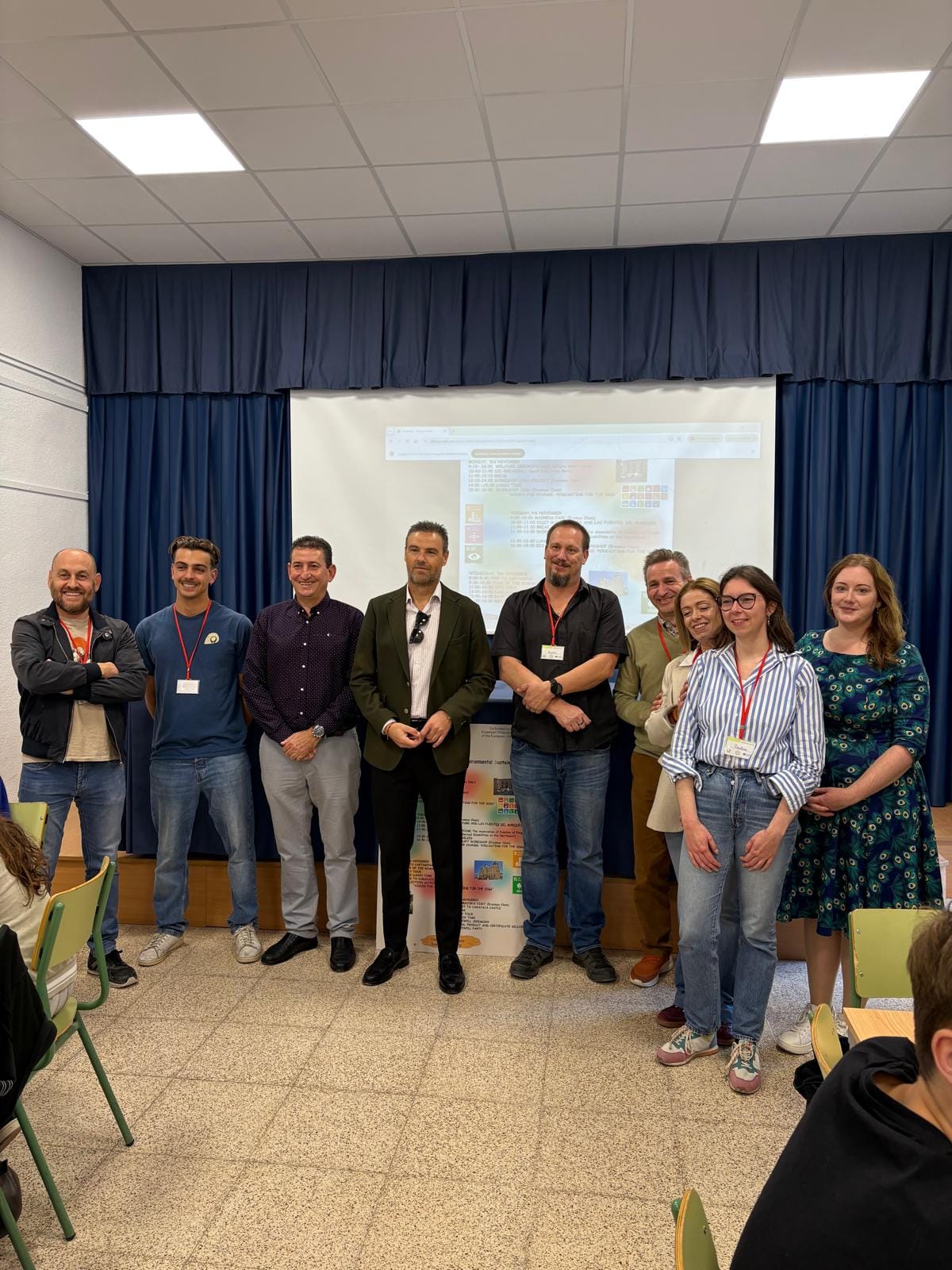
Day 4 began at school with a visit from the Head Teacher and the Mayor of Caravaca de la Cruz. They praised all three schools and spoke about the value of international cooperation, and how projects like this help us understand the Sustainable Development Goals in real situations — not just in the classroom.
We then walked into the city and climbed up to the Santuario de la Vera Cruz, an important religious and cultural site in Caravaca. On the way, we stopped at the statue of the Caballos del Vino and learned how this festival began with a story about wine being used to protect the town during illness long ago. Today it represents teamwork, identity, and community pride, and is recognized as UNESCO Intangible Cultural Heritage.
This showed pupils that SDG 11: Sustainable Cities and Communities also means protecting cultural traditions, not only buildings.
At the top, we visited the chapel and heard the story of the Holy Cross, which has been important in Caravaca for many centuries. Pupils saw where the cross is kept and learned how the sanctuary became a place for pilgrims. Their history teacher linked this period to the Reconquista in Spain and to the Dutch Revolt pupils studied last year, showing that religion and cultural change have shaped history across Europe.
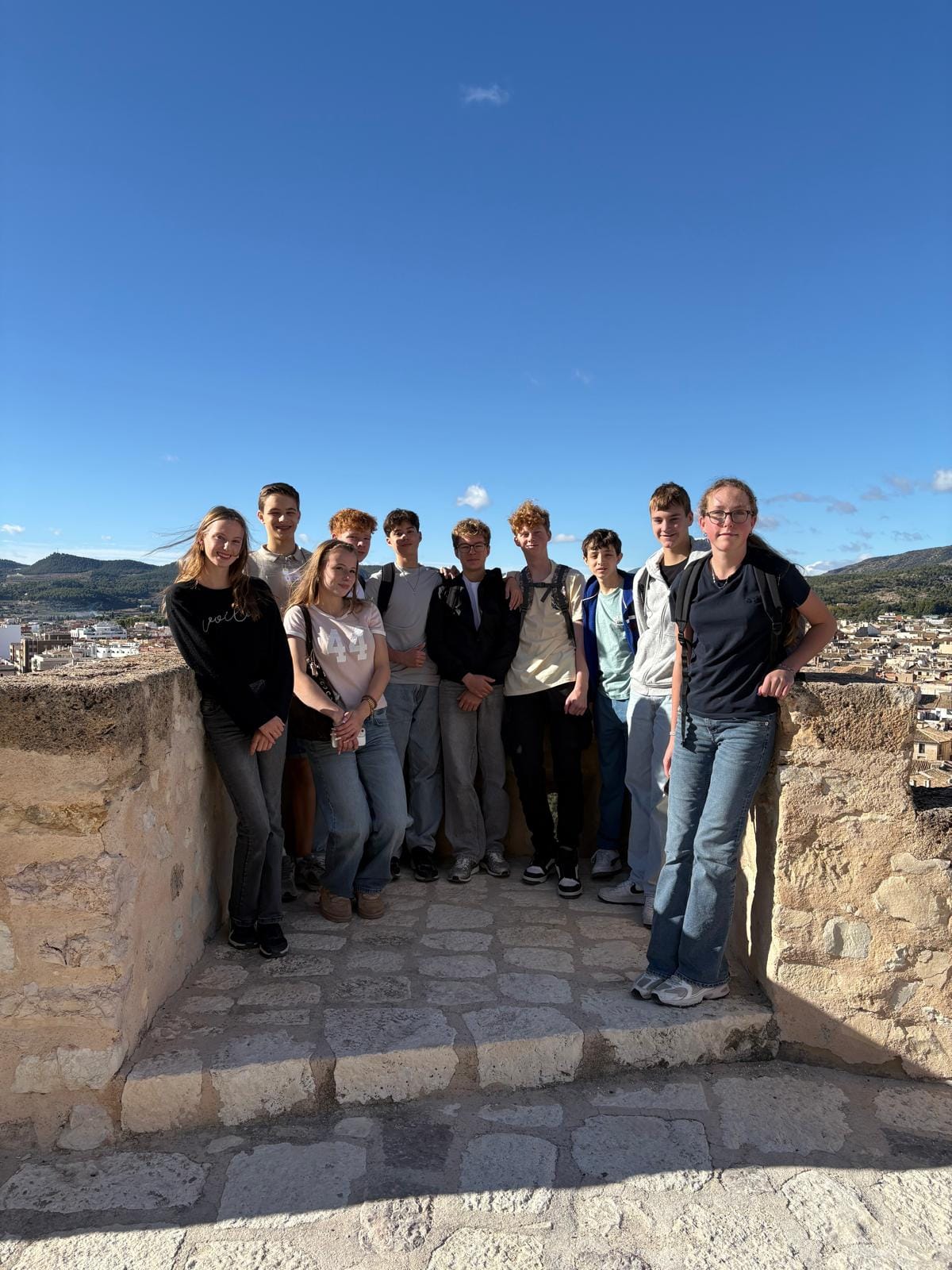
After taking a group photo, we divided into two groups. One group visited the Museo de la Vera Cruz, learning more about the history and symbolism of the Cross. The other visited the Museo de las Fiestas, where pupils learned more about the Caballos del Vino festival. Both visits helped pupils see how history, faith, and celebration play a strong role in local identity.
We then began our 90-minute walk along part of the Anillo Verde: from the Santuario to the Calvario, through the Rambla, past APCOM, and to the Reforestation Park before returning to school. This route showed how Caravaca is working to protect natural areas while keeping them accessible — supporting SDG 11: Sustainable Cities and Communities and SDG 15: Life on Land.
During the walk, one group had an impromptu discussion about gender equality, which connected directly to SDG 5: Gender Equality. Their mentor was pleased to see pupils consider how traditions, history, and culture shape ideas about roles and fairness — and how these ideas can continue to grow and change. We ended the walk at school and shared lunch together.
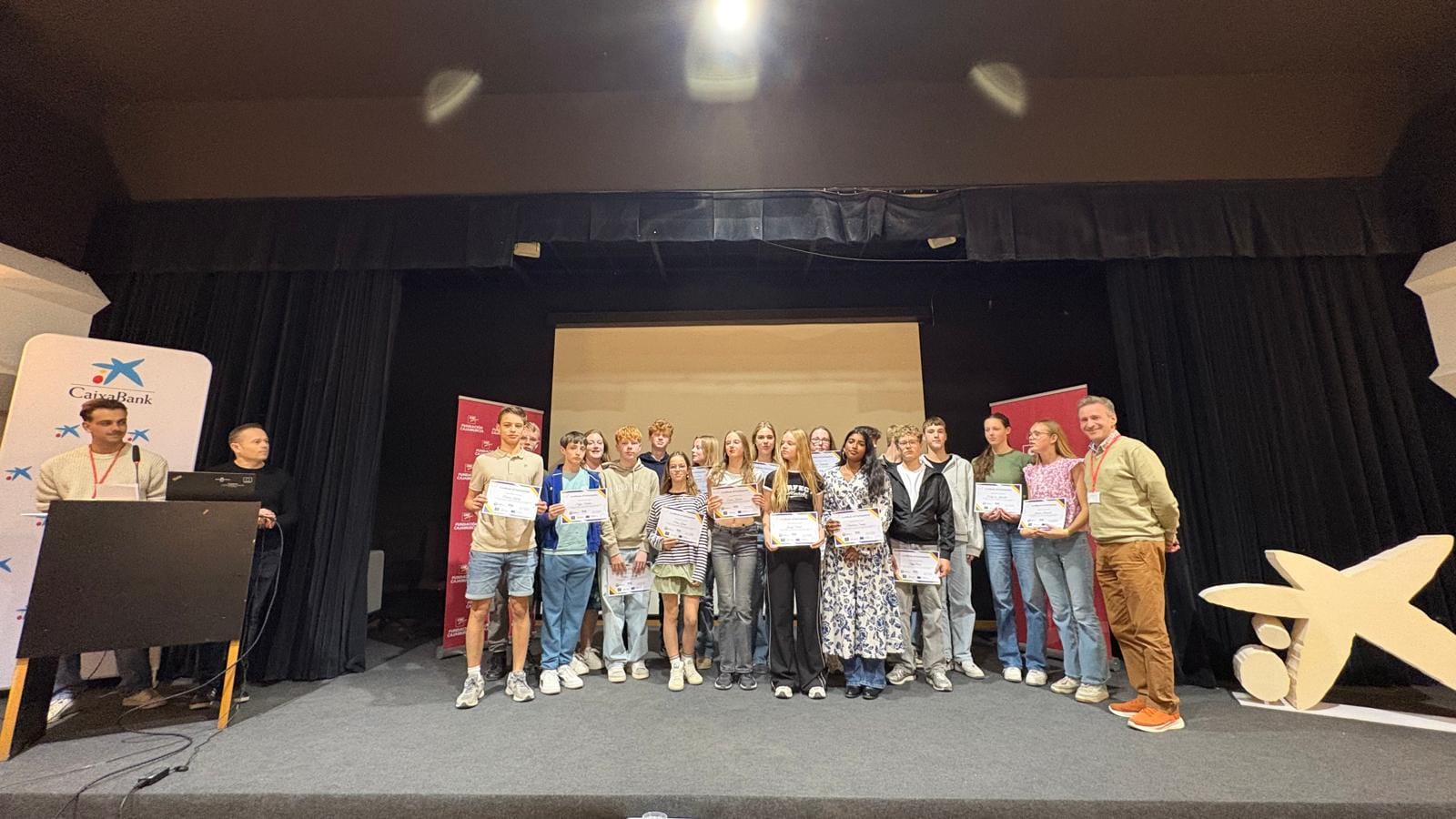
In the late afternoon, we held the closing ceremony. We listened to the audio and video recordings created during the week, and pupils received their certificates for completing the exchange. We finished the day with a fiesta — good food, good music, and above all, good company.
Instead of saying goodbye, the pupils said “see you soon.” The learning and connection will continue when we reunite at the RSG in February.
Day 4, the last and longest day of the trip, brought our Spanish adventure to a close, but the exchange is not finished — it is only the first chapter.